




Most people in Perth will automatically think of roof windows when the space becomes enclosed, dark, and suffocating. Such an automatic reaction is expected, but the benefits of installing one extend far beyond the issue of brightness. With Australia’s National Construction Code having the minimum seven-star energy rating for all newly constructed buildings, everything that goes into such a construction becomes important from the energy point of view. A roof window, when installed appropriately, becomes a junction point for natural lighting, ventilation and energy efficiency.
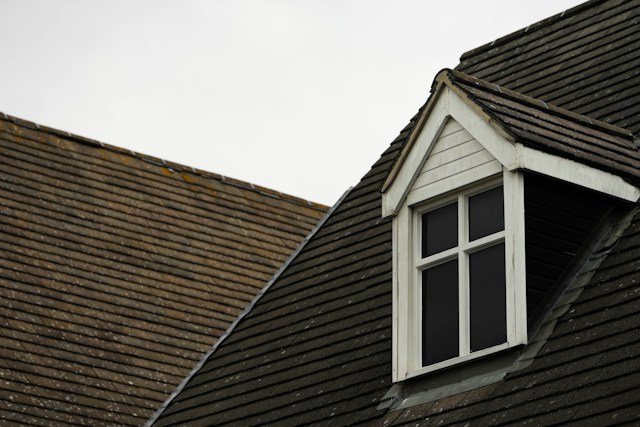
A Roof Window and a Skylight Are Not the Same Thing
Such a mistake is usually what most buyers make at the beginning of their purchases but it should be understood that there is quite a distinction between the two items. Skylights include the shaft and remain permanently sealed while roof windows open up and sit on the roof plane. NatHERS, the national house energy rating scheme in Australia, considers the two separate from the energy model perspective since a skylight admits light while a roof window admits light and air. The issue becomes especially important for Perth due to its hot, dry climate where passive cooling can play an important role.
Why Perth’s Climate Makes This Worth Paying Attention To?
The summer season in Perth forces the houses to use air conditioners early and for quite some time in the fall. An open roof window creates a stack effect in the building; the warm air rises and gets out of the roof opening while the cold air comes through other openings. Such a system does not require any mechanical work for energy consumption. In August 2025, the Department of Climate Change, Energy, the Environment and Water is publishing the Trajectory for Low Energy Buildings for Australia where it identifies passive design features as one of the methods to reduce the emissions from residential buildings.
The Rooms Where This Decision Changes Daily Life
Not all rooms benefit to the same degree. Understanding where a roof window can make the most significant difference can help in making that choice quicker. Conversion of a loft into an attic room and attic rooms, in general, are the best examples because installing wall windows would be difficult or impossible. Bathrooms and ensuites can benefit from roof windows due to conflicting demands for privacy and moisture control; wall windows solve one but create the other problem. A home office is another example: natural light comes from above, which reduces screen glare and cannot be achieved by lateral light coming through a side wall window. Small rooms receive a vertical depth and a sense of sky that will change the room’s perception dramatically.
Fixed or Openable: The Decision Most People Get Wrong
Installing a fixed roof window costs less initially and provides simpler options for weatherproofing. Installing an openable roof window or its motorised version means that you pay more initially but have additional benefits when it comes to cooling and ventilation. Which is a better choice will depend on the orientation, roof pitch, and NatHERS climate zone of your home. In Perth, a south-facing fixed window will provide natural diffuse light without excessive solar heat gain in summer. A north-facing openable window can expel the warm air at night and let winter sun into your home during cold periods if it’s used correctly. Getting this decision wrong will show up in your energy bills rather than as a renovation regret later.
What Professional Installation Actually Determines?
Watertight flashing is where most roof window failures start, and in Perth’s coastal suburbs, where wind-driven rains occur, such details should not be compromised. Complying with Australian Standards and the National Construction Code requires experienced tradesmen who are familiar with roof penetrations. Glazing specification is equally important: a laminated double-glazed unit with a low SHGC value behaves completely differently from a single-pane fixed unit. It will result in a different NatHERS star rating and running costs in terms of energy bills.
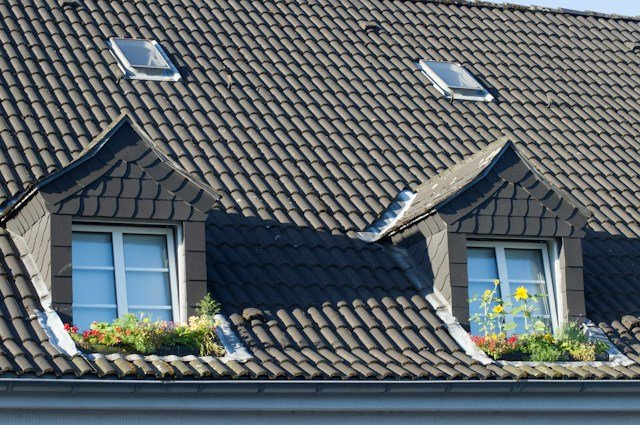
The Shift in How Perth Buyers Are Reading Home Performance
NatHERS rating scheme now evaluates both thermal performance and whole-of-home energy consumption of the property, providing buyers with a documented, quantifiable number to consider. Energy credentials are increasingly becoming part of a listing in Perth’s competitive real estate market.