


Most drainage problems don’t announce themselves dramatically at first. A little water sits near the side path, one section of the yard stays soggy for longer than the rest, or a drain makes an occasional gurgling sound after heavy rain. Because the issue seems minor and disappears once the weather clears, it’s easy to leave it alone. Then a proper downpour arrives and suddenly the problem becomes much harder to ignore.
Understanding common stormwater drainage problems can help homeowners recognise the warning signs before they turn into a much larger headache. Stormwater systems are designed to move rain away from the property efficiently, but blockages, poor grading, damaged pipes and undersized drainage can all interfere with that job. The earlier those issues are noticed, the easier they are usually to investigate.
Pooling Water Is Usually Trying to Tell You Something
A puddle after extreme rain isn’t automatically a disaster, especially if the ground is already saturated. Repeated pooling in the same place, however, is much more useful information. Water naturally follows the easiest path available, so if it regularly settles beside the house, near a retaining wall or across the same section of paving, there’s usually a reason.
The problem might be as simple as a low point in the landscaping, but it could also indicate that a surface drain isn’t clearing properly or that runoff is being directed towards the wrong area. Watching where the water comes from and how long it takes to disappear can provide useful clues before anyone starts digging.
Blocked Drains Rarely Fix Themselves
Stormwater drains deal with far more than clean rainwater. Leaves, soil, mulch, twigs and other debris can all enter the system, especially around open grates and pits. Over time, that material can restrict flow and reduce how much water the drainage system can handle during heavy rain.
A partially blocked drain may still appear to work in light rainfall, which is why the problem can go unnoticed for so long. Once a large volume of water arrives, the restricted pipe can’t keep up and water starts backing up onto the surface.
Clearing visible debris around grates is a sensible maintenance habit, but repeated slow drainage can suggest the blockage is further along the system. At that point, simply cleaning the surface opening may not solve much.
Tree Roots Can Create Problems Underground
Trees are excellent at finding moisture, and underground pipes can provide exactly that.
Small cracks or joints in older drainage systems may allow roots to enter, where they can continue growing and gradually restrict the pipe. The homeowner may see only the symptoms above ground: slow drainage, recurring blockages or overflowing pits after rain.
This is one reason drainage issues can return even after a temporary clearing. Removing debris may improve the flow for a while, but if root intrusion has damaged the pipe itself, the underlying problem remains. A proper inspection can help determine whether the issue is a simple obstruction or something more structural.
Broken or Collapsed Pipes Can Be Hard to Spot
Not every stormwater problem begins with a blockage. Pipes can crack, shift or collapse over time because of ground movement, age, construction work or other physical stresses.
A damaged pipe may allow soil to enter the drainage line, creating further obstruction. It can also leak water into surrounding ground rather than carrying it safely away from the property. Because all of this happens underground, homeowners often don’t know there’s a problem until the surface begins behaving strangely.
Recurring wet patches, sinking ground or drainage that suddenly performs worse than it used to can all justify further investigation. The exact cause may not be obvious without inspecting the system itself.
Poor Surface Levels Can Defeat an Otherwise Good Drainage System
Even a functioning stormwater system can struggle if the surrounding ground directs water away from the drains.
Landscaping changes are a common cause. New paving, garden beds, retaining walls or topsoil can alter surface levels without anyone intending to create a drainage issue. Over time, soil can also settle and form low spots that trap water.
Ideally, surface runoff should have a clear path towards appropriate drainage points and away from the building. If paving falls towards an exterior wall or a garden bed forms a bowl beside the house, water may collect regardless of how well the underground pipes are working.
This is why drainage needs to be considered whenever outdoor areas are redesigned. A visually attractive yard can still perform badly in wet weather if the levels aren’t right.
Overflowing Gutters Can Overload the Ground Below
Stormwater problems don’t begin only at ground level.
If gutters are blocked or downpipes aren’t moving water effectively, large amounts of roof runoff can spill where they shouldn’t. That water may end up saturating soil beside the building or overwhelming surface drainage that was never designed to receive it directly.
A roof captures a surprising amount of water during a heavy storm, so uncontrolled overflow can create a concentrated drainage problem very quickly. Checking gutters and downpipes therefore belongs in the same conversation as checking pits and underground pipes.
The whole system needs to work from the roofline to the final discharge point.
Undersized Drainage Can Become Obvious as Properties Change
A drainage system that performed adequately years ago may struggle after the property changes.
Extensions, new driveways, patios and other hard surfaces reduce the amount of rainfall that can soak naturally into the ground. Instead, more water becomes surface runoff and enters the drainage system quickly.
That extra volume can expose limitations in older or undersized infrastructure. The drains may not be blocked at all; they may simply be unable to move enough water during intense rainfall.
This distinction matters because clearing a perfectly open pipe won’t increase its capacity. If the system itself is inadequate for the amount of runoff being generated, the solution may need to address design rather than maintenance alone.
Repeated Dampness Can Cause Secondary Problems
Persistent drainage issues are worth addressing because water rarely remains a purely cosmetic problem.
Regularly saturated soil can affect landscaping, encourage mould or mildew and create unpleasant muddy areas around the property. Depending on the building and location, ongoing moisture can also contribute to deterioration around walls, paving or other materials.
The specific risks vary between homes, so there’s no reason to assume every puddle is causing major structural damage. The more practical point is that water consistently collecting somewhere it shouldn’t is rarely something that improves by being ignored.
Heavy Rain Is the Best Time to Observe the System
Ironically, the worst weather can provide the clearest information.
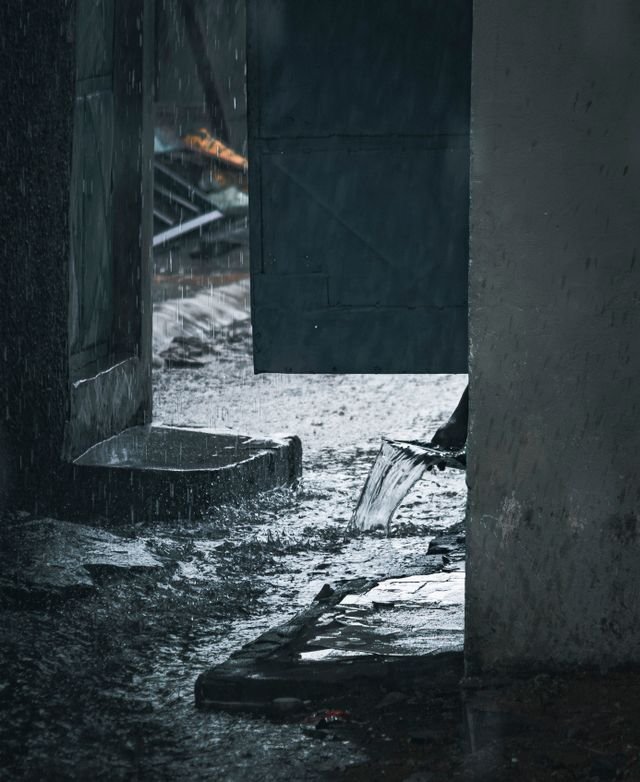
During a safe opportunity in heavy rain, look at how water moves around the property. Are gutters overflowing? Are downpipes discharging properly? Do drains clear quickly or fill almost immediately? Is runoff moving towards the house instead of away from it?
Those observations can help narrow down the problem enormously. A drainage issue that seems mysterious on a dry afternoon may become completely obvious once you can actually see the water moving.
The important thing is not to wait for the next major storm before thinking about it again. If the same area floods repeatedly, the drainage system is giving you useful information. Paying attention early can make the difference between a manageable repair and a much more disruptive problem later.