


A fence seems like a simple thing until you have to choose one. Then the questions start piling up. Timber or steel? Tall or low? Solid or see-through? Will the neighbours split the cost? Does the council need to approve it? And how will it look in ten years, once the sun and rain have had their way with it?
The right fence does a lot of quiet work. It marks your boundary, keeps kids and pets safe, adds privacy, improves security and shapes the look of your home from the street. Talking to experienced installers such as Be Fenced can help clarify the options, but it is worth understanding the main choices before you start collecting quotes.
Start with the purpose
Before thinking about materials, decide what the fence needs to do. Different goals call for different solutions.
If privacy is the priority, a solid, taller fence will block views from neighbours and the street. For security, height, strength and difficulty to climb matter most. Containing pets or young children requires a fence without gaps they can squeeze through. If the goal is mainly decorative, a lower, more open design may suit.
Many properties need a combination, such as a decorative front fence and a taller, private fence around the backyard.
Popular fencing materials
Timber. A classic choice that suits many architectural styles. Timber offers warmth and natural beauty and can be painted or stained. It does require maintenance to protect against weather, rot and termites.
Colorbond steel. Extremely popular in Australian suburbs, steel fencing is durable, low maintenance and available in a wide range of colours. It provides good privacy and noise reduction.
Aluminium. Lightweight, rust-resistant and often used for pool fencing and modern front fences. Slat designs can provide privacy while allowing airflow.
Glass. Frequently used around pools and balconies for an unobstructed view. It looks sleek but needs regular cleaning.
Brick and rendered masonry. Solid, long-lasting and impressive, though usually more expensive. Often combined with metal or timber infill panels.
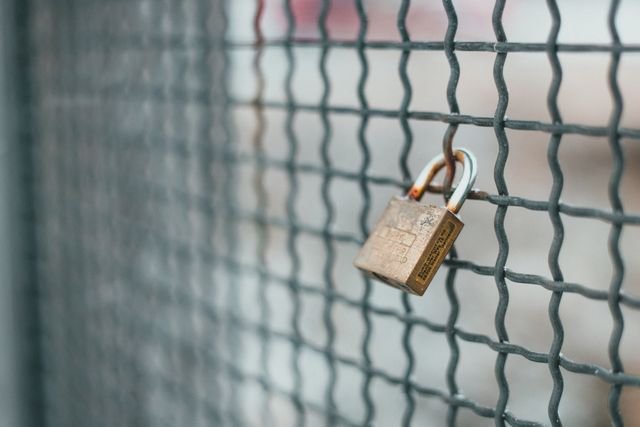
Chain mesh. Practical and affordable, commonly used for rural properties, sports facilities and commercial sites.
Consider security needs
If security is important, choose a fence that is difficult to climb and strong enough to resist damage. Vertical designs with no horizontal footholds are harder to scale. Lockable gates and good lighting add another layer of protection.
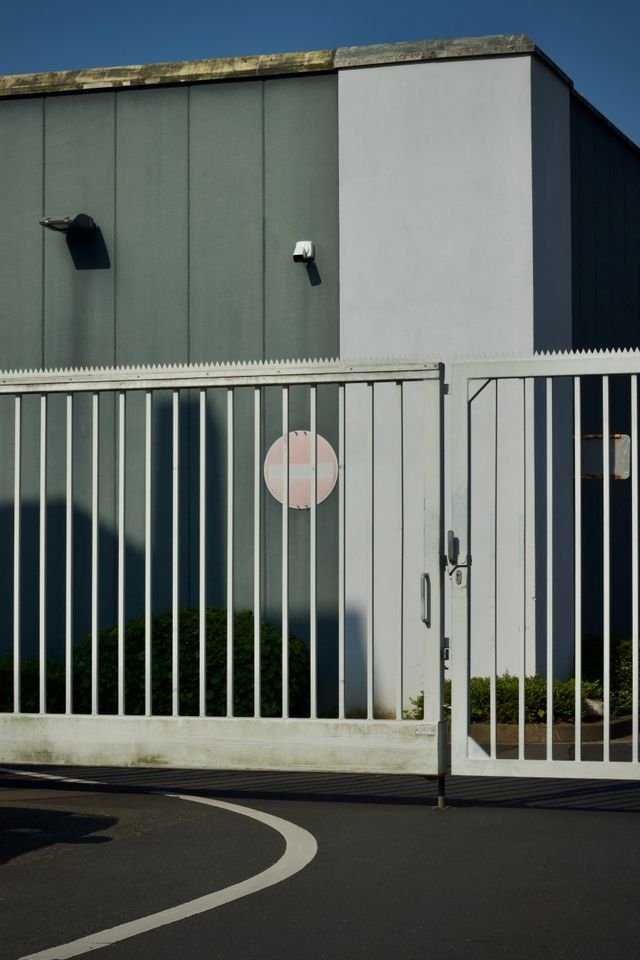
For commercial and industrial properties, security fencing may include features such as anti-climb mesh, higher panels and automated gates.
Think about maintenance
Some fences need much more ongoing care than others. Timber requires regular sealing or painting. Steel and aluminium generally need only occasional washing. Glass needs frequent cleaning to keep it looking clear.
Consider how much time and money you are willing to spend on upkeep over the life of the fence.
Check the rules
Fencing is subject to regulations that vary between states and councils. Height limits, materials and placement may be restricted, particularly for front fences and properties in heritage areas.
Pool fencing has strict safety standards designed to prevent child drowning. Any fence around a swimming pool or spa must comply with the relevant requirements.
Dividing fences between neighbours are covered by state legislation, which generally sets out how costs are shared and how disputes are resolved. Talking to neighbours early can prevent misunderstandings.
Budget wisely
Fence costs depend on materials, height, length, site conditions and gate requirements. Sloping or rocky ground, difficult access and removal of old fencing can add to the price.
Get several quotes and make sure they include all work, such as demolition, disposal, post installation and gates. The cheapest option is not always the best value if it requires frequent repairs or replacement.
Gates and finishing touches
Gates are often the most used part of a fence. Choose sturdy hinges, reliable latches and, if needed, automation for driveway gates. Consider pedestrian access, letterboxes and lighting as part of the overall design.
Talking to your neighbours
If your fence sits on a shared boundary, a friendly conversation with your neighbour before you start can save a lot of trouble. Discuss the style, height, materials and how costs might be shared. Many neighbours are happy to contribute to a new dividing fence, particularly if the old one is in poor condition. Put any agreement in writing, even informally, and keep records of quotes and invoices. If you cannot agree, your state’s dividing fences legislation usually sets out a formal process, including notices and, if needed, dispute resolution.
A fence that lasts
A well-chosen fence improves security, privacy and street appeal while adding value to your property. By thinking carefully about purpose, materials, maintenance and regulations, you can choose a fence that suits your home and stands up to the Australian climate for years to come.