


It can be said that the roads in Victoria have been safer over the past year, but these statistics are still worrying. The number of deaths on Victorian roads was recorded at 267 from July 2025 to June 2026, down from 296 the year before. There are many reasons why accidents occur, and this shows how important it is that every component of the safety of the vehicle should work properly.
The braking system is a very essential system that needs to work no matter what for all the drivers on the road, but the braking system is one that gets looked at, or booked in for brake repairs near Langwarrin, only when there is a problem.

What Happens When You Stomp That Brake Pedal?
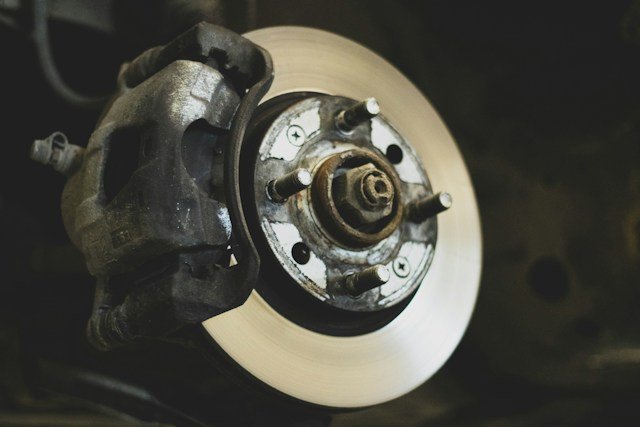
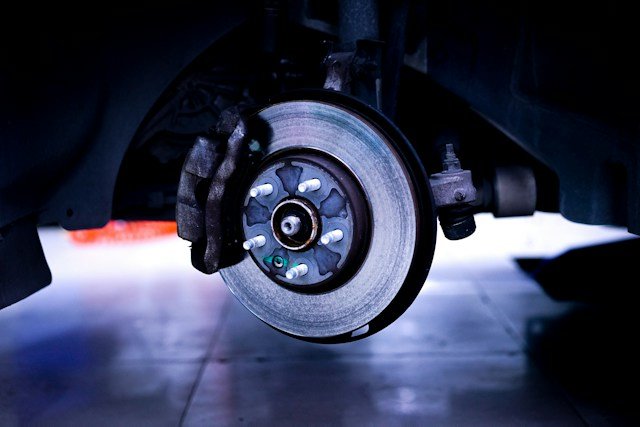
When you press the brake pedal, it makes a fluid that’s sealed up in lines get pumped out to each of the wheels. A bunch of metal bits then squeeze some pads against spinning metal discs, which turns the car’s motion into heat through friction. The thing is, all of these different parts rely on each other, so if one of them gets a bit worn out, it can have a pretty big impact on the system as a whole.
Modern cars also come with some fancy electronic help that works alongside all this hardware; anti-lock braking stops the wheels from locking up when you hit the brakes hard, while brake force distribution makes sure that the front and back wheels are getting an even amount of grip. And then there are some newer cars that can even brake on their own if their sensors detect an obstacle up ahead.
But hybrid and electric vehicles actually do things a bit differently. Regenerative braking uses the car’s electric motor to slow the thing down, which is great because it means that brake pads can last way longer. However, the rotors do get used less and can start to develop some surface rust, which is still something you need to keep an eye out for.
Warning Signs That Your Brakes Are on the Fritz
Most of the time, your brakes are going to give you some pretty clear warning signs before they completely fail on you, as long as you’re paying attention to them, that is:
- A high-pitched squeal, usually because your pads are getting a bit worn out.
- Grinding noises, which aren’t good, and can mean that you’ve got metal rubbing on metal somewhere.
- A pedal that feels like it’s pulsing when you press it.
- The car pulling to one side when you hit the brakes.
- A pedal that feels soft or spongy, you know, when it sinks further than it used to and just doesn’t feel right.
- A burning smell after you’ve been driving down a long hill.
And don’t even get me started on the brake light on the dashboard; if that one comes on, you’d best be taking a close look, pronto. Left unchecked, these kinds of faults are just going to get worse and worse with time.
Why Langwarrin’s Rough Roads Are Playing Havoc with Your Brakes?
Driving on gravel shoulders and unsealed driveways is just a recipe for disaster when it comes to your brakes; all that loose grit and dust is getting in there and wearing down your pads and rotors at an alarming rate. The bitumen itself is bad enough, but throw in all the rough surfaces that you find around Langwarrin and you’ve got a real recipe for disaster.
And then there’s the towing, which just makes things even harder. Horse floats, boat trailers and caravans all add a load of extra weight that your brakes have got to be able to handle, which is a tough ask in itself. But when you’re driving down a long hill, your brakes can get hot in a hurry and then just lose their grip altogether.
And then of course there’s the wildlife; kangaroos, in particular, can be a real problem. They’re out there at dusk, and you’ve got to be ready to react and stop in a hurry if you see one bounding across the road.
Brake Fluid, the Part That Most Owners Forget About
Brake fluid is one of those things that you use and forget all about, until it actually starts to cause you some problems. See, the stuff slowly absorbs moisture from the air, which then lowers the fluid’s boiling point and can actually cause some corrosion in the system. And if you’re driving around in stop-and-go traffic, or you’re towing a load, your brakes can get hot fast and then… well, it’s game over.
Most manufacturers recommend replacing brake fluid every couple of years or so, but a lot of owners just forget to do it because the fluid still looks okay, so don’t be one of those owners. Just do the quick moisture test during your next service and you’ll have your answer.
Brakes and Your Roadworthy Certificate
Any time you’re looking to sell a used car in Victoria, you’re going to need to get a roadworthy certificate, which means that you’ve got to pass a check with one of VicRoads’ licensed testers. And that check includes not just the brakes, but the steering, tyres, lights and body condition of the car.
Getting your brake problems sorted early can save you some real headaches down the line; it’ll keep you safer on the road, and it’ll make sure that you don’t run into any delays when you’re trying to sell the car.