


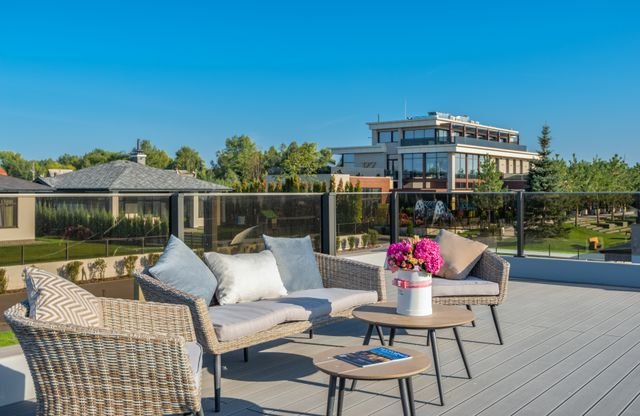

Outdoor wicker furniture is a real staple in many Australian cafes, hotels, Airbnb places, resorts and short-term rental spaces – and for good reason – it’s rugged, looks top dollar & can withstand the elements. But don’t be fooled, not all wicker furniture is built to withstand the kind of wear and tear that happens in a commercial setting. Industry studies show just how much harder it is on hospitality furniture compared to what people use at home, so you really need to be looking for furniture that’s going to be strong enough to take all that beating.
Frame Construction is a Good Way to Tell if it’s Commercial Grade OR Not
One of the most reliable signs of whether wicker furniture is built for commercial use or not is actually what lies beneath the surface – the actual frame. Dig up some numbers and you’ll see that powder-coated aluminium frames are what do the trick in the hospitality industry. This is because aluminium is super resistant to rust and yet it still manages to keep it light as a feather. A real bonus when you’re trying to keep furniture from getting too heavy. On the other hand untreated steel frames tend not to last as long in environments where they get hit with salt air. Like those particular in Aussie regions.
If you do find a product that’s built to be commercial-grade then you can bet your bottom dollar it’s going to be using a welded aluminium frame as opposed to one held together with bolts. It turns out that welded joints are a lot better at distributing the weight of all these people trampling over the furniture. This in the end stops the furniture from falling apart on you.
Some procurement data from the industry shows that commercial-grade furniture using these kinds of frames can easily last between 8-12 years in high-traffic areas. The residential alternatives tend to need replacing in just 2-5 years when put under similar pressure.
When browsing for your next outdoor furniture patio sets wicker, pay close attention to the frame materials and don’t worry too much about how it looks – yet.
The Difference Between HDPE & Other Materials Has Got to be Emphasised
To be honest, when people say ‘wicker’ they’re actually referring to the way the furniture is woven together – not the materials used. If you want the best, you need to be looking for High-Density Polyethylene (HDPE) wicker. That stuff is a real champ when it comes to all the usual suspects (UV, moisture, temperature fluctuations, etc., etc.). The cheaper alternatives, on the other hand, make use of PVC or lower-density poly, which tend to crack & fall apart after being left out in the sun for too long.
Weight Capacity and Load Testing Really Matter
Commercial furniture suppliers tend to provide load ratings because hospitality venues have to worry about safety and liability issues. If a commercial-grade chair is worth its salt it should have some solid documentation on static and dynamic load testing – not just vague claims about its durability.
Industry testing standards often kick the chair around a few times to see how it holds up to years of use. A commercial chair may get put through tens of thousands of test cycles before the manufacturer says it’s good to go. If you see some documentation on that, it’s a sign they’ve actually put some serious work into making sure their product is up to par. And when you’re dealing with hotels or rental properties where the furniture is getting used a lot more often than in a private home, having some load performance data is a serious advantage.
Commercial Cushions – They’re Not Just for Looks
When it comes to furniture failing in hospitality environments, it’s usually the cushions that are the first to go, not the frame or the wicker. Commercial-grade outdoor cushions are made to use reticulated quick-dry foam – that means they let water pass right on through, rather than getting stuck inside.
Performance fabrics are another way to tell the difference between commercial and residential furniture. Solution-dyed acrylic fabrics are popular with the commercial crowd because the colour is actually embedded right into the fibre, not just slapped on as a surface coating. According to the industry, these premium fabrics can keep looking great for five years or more, even in direct sunlight. The stitching on commercial products is usually marine-grade stuff that comes with a warranty that outlasts your average polyester stitching.
Warranty Length Tells You a Lot
If a manufacturer is happy to slap a long warranty on a product, that tells you they’re pretty confident in how well it’s built. Residential wicker furniture usually comes with warranties of one to three years. Commercial-grade products, on the other hand, often come with frame warranties that last five to fifteen years – and the weave warranty is usually good for five to seven years. That may seem like a lot, but it can actually make a big difference in the long run. A wicker lounge you replace every three years may end up costing more over a decade than a commercial-grade alternative that costs a bit more upfront but will last for ten years. It’s all about lifecycle cost.

Commercial Suppliers Give You the Goods
One of the clearest differences between residential and commercial furniture is how much technical information the supplier gives you. Commercial suppliers tend to publish detailed specs that cover all the important stuff frame gauge, weave thickness, how well it holds up to the sun, what hardware is made of, how dense the foam is, and what the warranty actually covers.