


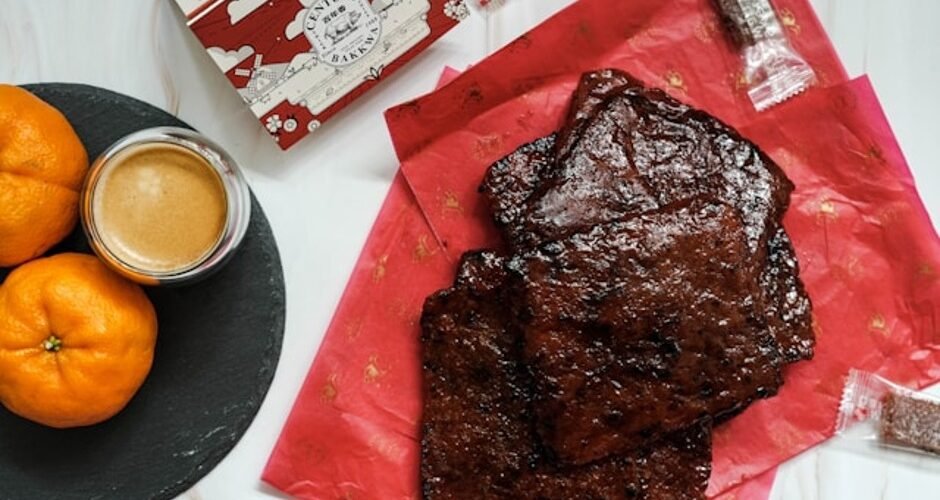

Biltong has become a real hit across Australia and it’s no surprise why, given its high protein content, super low carb profile and that unique flavour of its own. Though if you don’t store it properly it can go off pretty quickly. Study after study into preserving food has shown that it’s mainly down to 4 main things that mess with dried meat: too much moisture, too much oxygen, too much temperature swinging about and too much light. And in Australia, with its super varied climate where it can be so humid one day and dry the next it’s even more important to get storage right. Consumers searching for biltong near me often focus on product quality but overlook
Why Moisture Is the Bigger Threat to Biltong Quality
Biltong’s main job is to stay dry and that’s exactly why it has to do with moisture levels. Loads of food safety research have found that water activity is crucial for stopping bad bacteria from growing. Even the commercial guys try to get the moisture levels in their dried meat down below .85. And if they go up just a little bit, whoosh the texture softens and the risk of mould just goes through the roof. This is especially worrying in coastal parts of Australia, where the air is so full of water that it’s basically a real challenge to keep the biltong from getting all soggy and going bad. We’ve seen cases of biltong picking up water and then just going downhill fast, even within days.
The Ideal Temperature Range for Keeping It Fresh for A Long Time
Temps can also have a real impact on things like flavour stability and of course the type of microbial activity you want to avoid. Loads of research into preserving food will tell you that these chemical reactions that make the flavour go all wrong just speed up and speed up the higher the temperature gets. There’s a basic rule of thumb that says it’s roughly doubled every 10 degrees of temp increase. So you can see how that would be bad news for the biltong. Keeping biltong in the fridge (below 5°C is what we are talking about here) will generally make it last longer than keeping it in the kitchen cupboard and if you avoid all that direct sunlight then you’ll be doing it right. Australian food safety guidelines have been saying this for ages. Just be careful about not letting your biltong get too hot or it will be gone in two twigs.
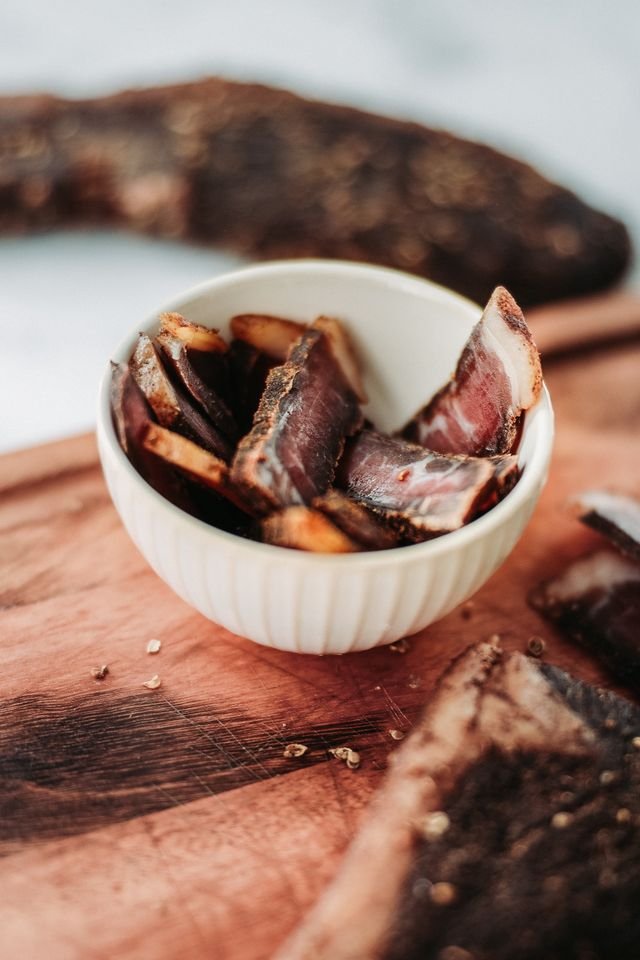
Choosing the Packaging That’s Going to Keep It Fresh
The packaging is really important too. If you let oxygen get to the biltong, it will go all rancid and stale in no time. We have seen all sorts of research on this that says vacuum-packed is the way to go. You can just stick paper bags on for a bit if you can’t be bothered to get the proper packaging. That way it won’t get too damp and develop all sorts of mould. But if you use one of those non-vacuum plastic containers, you are playing with fire. Condensation will build up and all sorts of bad stuff will start to happen. Commercial biltong producers are really starting to see the sense in vacuum packaging so it’s something for you to think about too.
Refrigeration Vs Freezing: The Long Haul Which One Will Save Your Snack?
The choice between refrigeration and freezing well either one basically depends on how long you want to keep your food. Refrigeration’s pretty good for short to medium-term storage because it slows down all the nasty microbe action that’s trying to turn your food into mush, and keeps the texture and flavour in a pretty good state. Freezing on the other hand can keep your grub good for ages. Data shows that certain types of dried meat can still be edible for months if you’ve got the packaging right. However, it’s not a magic bullet and has its own set of problems. See, when you freeze food you get ice crystals and moisture migration going on which can ruin the texture when you thaw it out. Especially on softer types of biltong.
The Biltong Texture & Flavour Backstory: What Air Does to It
So air exposure is pretty bad news for biltong in several ways. Firstly, oxygen starts off by stripping it of its flavour and then secondly, if you don’t keep a lid on it, you can either dry it to death and make it all tough or if there’s a bit of moisture floating about, it can get soggy. In either case you lose the texture you want. Scientific studies keep showing the same thing: oxygen exposure is the culprit behind all sorts of problems like rancidity. Even if it’s only a tiny bit of oxidation it can still make your snack taste different after a while.
Common Storage Mistakes That Reduce Shelf Life
People are always finding out the hard way that their biltong is stale or spoiled because they’ve been doing it all wrong. Opening and shutting the packaging over and over introduces all sorts of fresh oxygen and moisture. Another bad idea is storing it near the oven, stove or fridge (even if it’s just running in the background). If the temperature keeps going up and down that just accelerates the spoilage.