


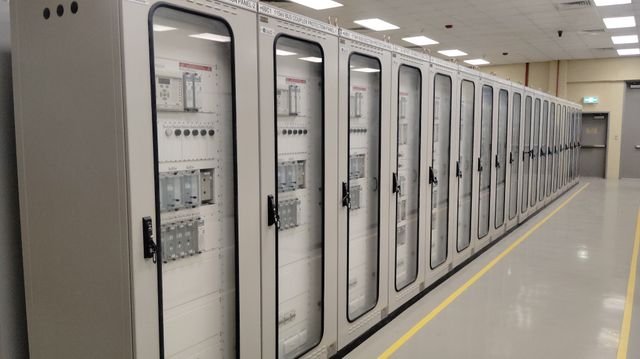

Walk into any WA industrial facility and a familiar pattern starts to emerge. Behind a shiny new control room interface, there’s often a 15-year-old Windows XP or Windows 7 machine running a SCADA platform, which, funnily enough, is still working. Nobody fancies touching it, and it stays there year after year. And with each passing year the operational blind spots it creates keep getting bigger, and the gaping hole in the security of that old system just keeps getting more serious. The instinct to leave well alone is pretty understandable, but the consequences of doing so are pretty dire.
What SCADA Actually Does in an Industrial Control System?
SCADA, Supervisory Control and Data Acquisition, is a software layer that sits on top of all the control devices down below: PLCs, RTUs and field instruments. It is essentially the operators’ view of what’s going on in the process, a graphical interface that lets them keep an eye on the key variables, acknowledge any alarms that come up and send control commands from their side. The PLCs below are actually doing the real work of running the actual process control logic at millisecond intervals; SCADA just supervises and keeps a record of what they’re up to. But let’s be clear: it does not actually replace the low-level control functions. For WA facilities, SCADA Control Systems Perth providers design these interfaces to match the specific demands of mining, utilities, and manufacturing environments.
The other core bit of the job is data acquisition; the process is logging continuous data into a historian database, which is then used for all sorts of things like trend analysis, reporting and compliance. And let’s get one thing straight, SCADA is only as good as its user interface. If the interface is all wrong, then operators will struggle to figure out what’s going on with the process and will end up struggling to act under normal and abnormal conditions alike.
Platform Choice in WA’s Industrial Sectors
In WA’s mining sector, Citect SCADA has got a strong install base, and it just happens to have been made in Australia and is particularly good at handling large-scale process monitoring. But then Schneider Electric goes and buys Citect, and things get a bit messy with all the distribution consolidation afterwards, which does create a bit of uncertainty for operators who are thinking of installing or upgrading. All of which is useful to know if you’re planning a new build-out or a major upgrade.
In manufacturing and food and drink plants, FactoryTalk View SE from Rockwell Automation is often the system of choice; it’s particularly good at integrating with Allen-Bradley PLC hardware. Ignition by Inductive Automation has been getting a lot of traction as a cost-competitive alternative; it uses a web-based architecture which lets it handle an unlimited number of connections without charging per seat for the licence. But let’s be clear, the platform you choose should be driven by a couple of key factors: what PLC ecosystem you’ve already got in place, how well the local vendors support it, whether you can have confidence in the long-term product roadmap, and whether your ops team are already familiar with the interface.
Why End-of-Life Operating Systems Are Now a Real Security Risk?
The trouble is older SCADA systems running on Windows XP or Windows 7 will no longer get security patches from Microsoft, and they can’t connect to any modern cloud monitoring, data historian systems or corporate reporting infrastructure. And the Australian government‘s Annual Cyber Threat Report for 2024-25 made it clear that the state’s critical infrastructure is a prime target for state-sponsored hackers and cyber crooks, and DoS and DDoS attacks on critical infrastructure went up by a whopping 280 per cent in that reporting cycle.
The government’s CI Fortify guidance, which they published in October 2025, is pretty clear: critical infrastructure operators need to get an accurate OT asset inventory, and they need to be able to isolate their OT networks for an extended period in the event of a cyber incident.
Remote Access: Capability With a Security Requirement
The capability of remotely monitoring and controlling the WA operations is necessary in practice. With a good remote access, engineers and operators can review data, tune setpoints, and troubleshoot problems without having to travel to Perth. However, the security approach to such access should be well thought out, involving secure connections, authentication, authorization based on roles, and encryption. In other words, remote access without security features is a vulnerability, which has been noted by the ASD as actively used by threat actors in the industrial sector in Australia.
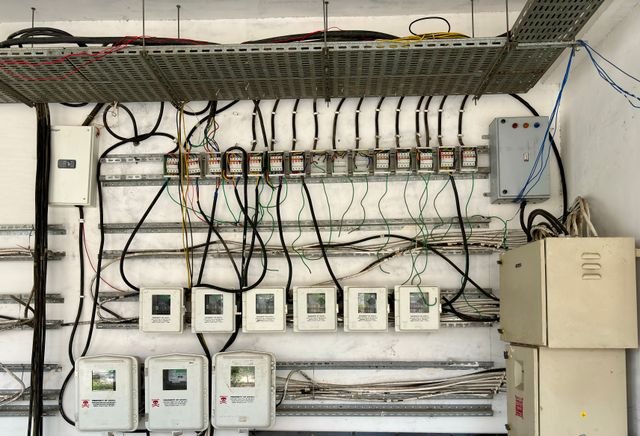
Evaluation of SCADA System Performance Over Time
Even a good SCADA system that performs well when commissioned can deteriorate as the size of the facility grows and more tags get added. Performance metrics include reaction time to alarms, consistency of data logging, historian performance, and connection reliability between the SCADA layer and field devices. Regular reviews of performance characteristics, besides security assessments, should become an element of the maintenance program for all SCADA systems used in production-critical facilities.