


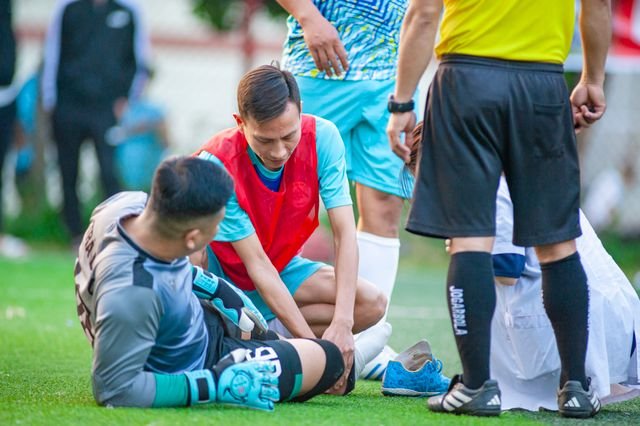

The recovery process is something that affects countless numbers of Australians due to their involvement in sporting activities annually. Professional athletes go through it, but it’s not just limited to those playing at this level; the list includes the weekend footballers, joggers, members of the gym, and those simply engaged in being physically active. According to the figures provided by the Australian Institute of Health and Welfare (AIHW), there are more than 60,000 cases of patients admitted to hospitals due to sports injuries in Australia each year. Currently, the majority of sports rehabilitation facilities in Australia, including those offering physiotherapy Greensborough services, rely on the measured approach to rehabilitation.
The Sports Injuries Seen Most Often
Typically, sports injuries result from cumulative strain, improper movements, physical impact, or inadequate training prior to exercise. These issues form a significant proportion of those related to community sports. According to a study published by the Sports Medicine Australia organization, ankle sprains make up almost 30% of the injuries among local sportsmen. Knee injuries follow next, in particular those relating to ACL tears. These injuries are a constant risk for footballers, basketball players, and netballers since quick turns, sudden halts, and improper jumps put immense stress on the knee. An injury such as an ACL tear consumes both a lot of time and money. As per information provided by the Australian Orthopaedic Association, this kind of operation costs anywhere between AUD 8,000 and AUD 15,000 when all the expenses associated with treatment, diagnosis, and rehabilitation are added up.
Reducing Pain and Restoring Movement Early
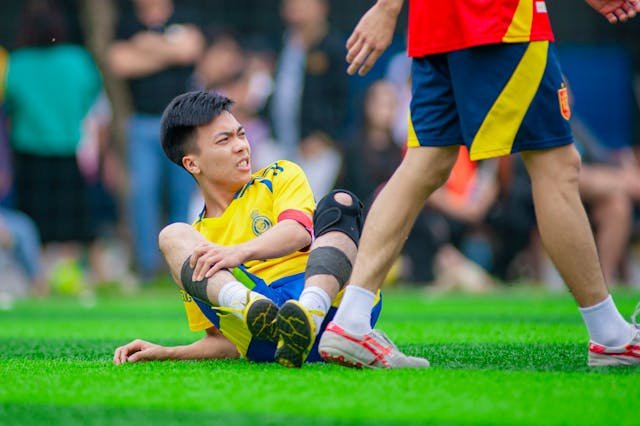
Pain management plays a central role in the initial stages of physiotherapy intervention. Athletes suffering from injuries are likely to experience swelling and inflammation, stiffness, and involuntary muscle contraction around the site of injury, thus limiting their movement ability during even basic activities. This is where the physiotherapist applies manual techniques alongside movement restoration practices. All forms of manual therapy, stretching, exercise, and soft tissue mobilization are meant to release any restriction and restore the ability of the body to move safely. According to research carried out by the Journal of Orthopaedic & Sports Physical Therapy, individuals undergoing physiotherapy early on after suffering from musculoskeletal injuries had up to 40% reduced pain within the first six weeks as opposed to those who started later.
Rebuilding Strength and Restoring Function
Weakness is among the most challenging barriers in the wake of an injury since the athlete will often believe he has recovered even when his muscles have not gained their former power yet. Physiotherapy regimes gradually restore injured muscles, tendons, and ligaments by engaging in gradual resistance exercises, which are specifically tailored for every step of the recovery process. There are very few times when such treatment will remain consistent. Treatment regimens are subject to change in consideration of the nature and intensity of the injury, as well as the requirements of the specific sport being played and the progress made throughout the recovery process. Studies featured in the American Journal of Sports Medicine reveal that rehabilitation through systematic strength training reduces the risk of re-injury to about 35%. Re-joining training sessions entails more than the restoration of health. Hop tests, balance tests, and movement analysis enable physiotherapists to determine if the body is ready to join the games without running into further injury.
Reducing Future Injuries and Long-Term Problems
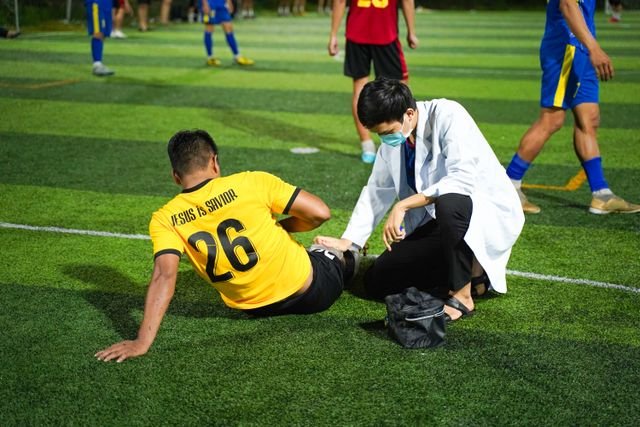
Pain doesn’t mark the end of physiotherapy either. One of the main purposes of physiotherapy occurs post-recovery, once athletes start pushing themselves back towards their sporting goals. Studies still confirm that a premature return significantly boosts the possibility of reinjury. According to findings by the National Athletic Trainers’ Association, almost one fourth of athletes suffer reinjuries within the first year of their return after incomplete rehabilitation. The recurrence of an injury often stems from factors the athlete never knew existed before. Weak gluteal muscles, instability in the ankles, lack of core strength, and biomechanics that put undue strain on the athlete’s musculoskeletal structure in sporting activities become common findings from physiotherapy. Exercise-based injury prevention programs remain highly effective in a variety of sports.
The Mental Side of Recovery
However, physical damage rarely remains only physical. An athlete who is recovering from an injury usually faces not only physical challenges but also such psychological problems as frustration, anxiety, loss of self-confidence and depression when training programs become disrupted and uncertainty begins setting in. According to the research published in the Journal of Science and Medicine in Sport, athletes who had structured physiotherapy felt more self-confident during their period of recovery compared to athletes who were doing rehab independently. The presence of regular physiotherapy sessions helps injured athletes keep one of the most difficult things to maintain during recovery, i.e., visible progress. Setting goals, receiving professional assistance, and getting feedback on performance can help individuals stick to the rehabilitation program when the process is becoming difficult and frustrating.